
Can a conveyor solve this problem?
It can help if the problem is caused by transfer, speed mismatch, manual handling, accumulation or product flow. The exact cause should be checked.
Conveyor problem solving
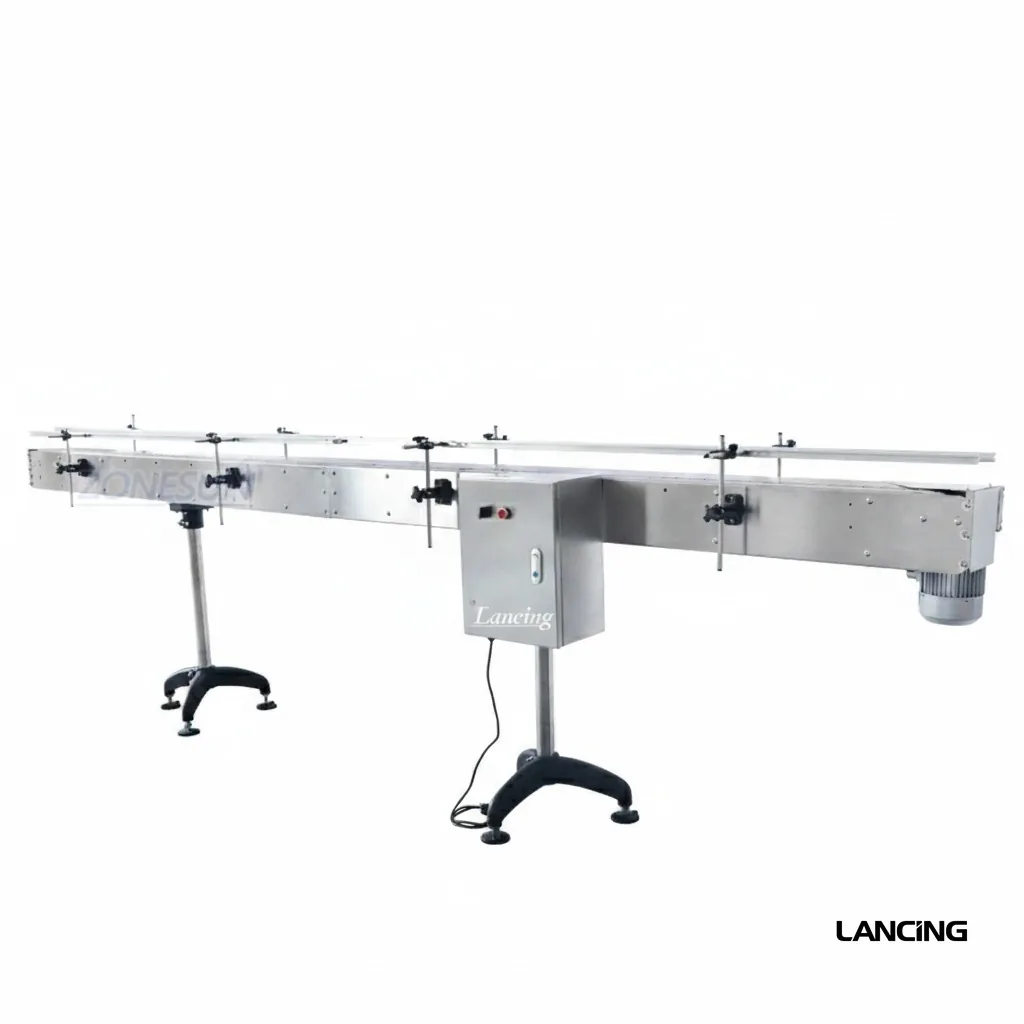
Powered conveyors can reduce repeated carrying and lifting by moving products between operators, machines and packing areas.
Planning support
Manual handling problems often appear at transfers between machines, packing benches, inspection points and dispatch areas.
A conveyor upgrade should look at the task operators are doing repeatedly and whether the product can be moved at a better height or speed.
This page helps explain a manual handling problem before requesting conveyor options.
Conveyor options
Buyer search terms
Common questions
It can help if the problem is caused by transfer, speed mismatch, manual handling, accumulation or product flow. The exact cause should be checked.
Photos, short video, product dimensions, line speed and a description of where the issue occurs are very useful.
Not always. A targeted conveyor section, transfer change or accumulation area may be enough depending on the issue.
Related conveyor information
Related
Continue planning the conveyor type, layout and quote details for this project.
View details →Related
Continue planning the conveyor type, layout and quote details for this project.
View details →Related
Continue planning the conveyor type, layout and quote details for this project.
View details →Related
Continue planning the conveyor type, layout and quote details for this project.
View details →Related
Continue planning the conveyor type, layout and quote details for this project.
View details →Related
Continue planning the conveyor type, layout and quote details for this project.
View details →Need a conveyor quote?
Send the basic product, route and output details and we will help identify the right conveyor options.
Map the current sequence from pickup to final placement, including sorting, scanning, packing or inspection performed along the way. A conveyor proposal should show how those necessary tasks are retained or repositioned. Otherwise moving the product can simply relocate the same repetitive work to the discharge.
Review loading and collection with the people who perform the operation. Include the product range, normal peaks and the response when the receiving station is busy. Use the site’s assessment process to evaluate the proposed arrangement and the access needed for normal operation and maintenance.
No. The complete task and installed arrangement still need assessment, including loading, reach, collection, access and foreseeable interruptions.