
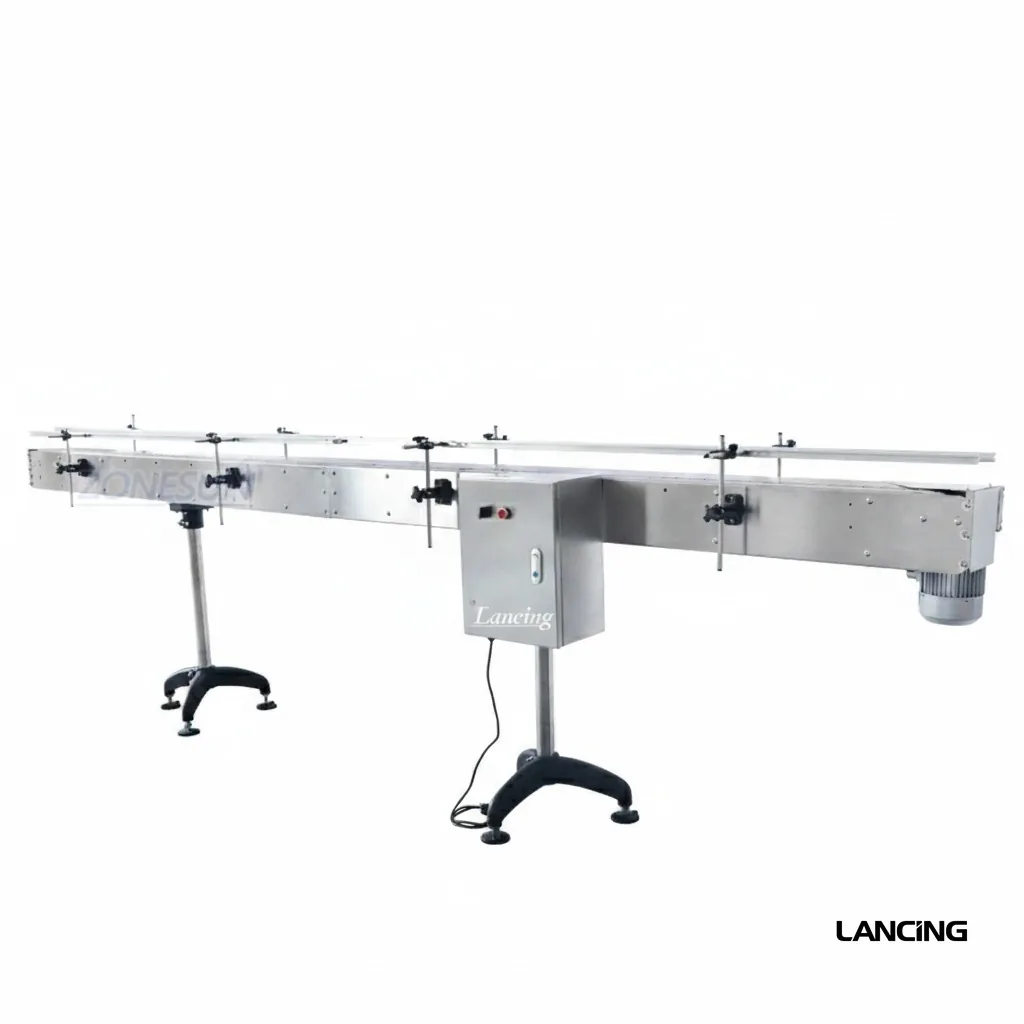
Buying guide
Powered Conveyor Buying Guide
How to choose the right powered conveyor system by product, load, footprint, speed and line requirement.
Conveyor planning guides
Use these guides to compare conveyor types, plan the layout, prepare quote details and avoid common transfer or access issues.
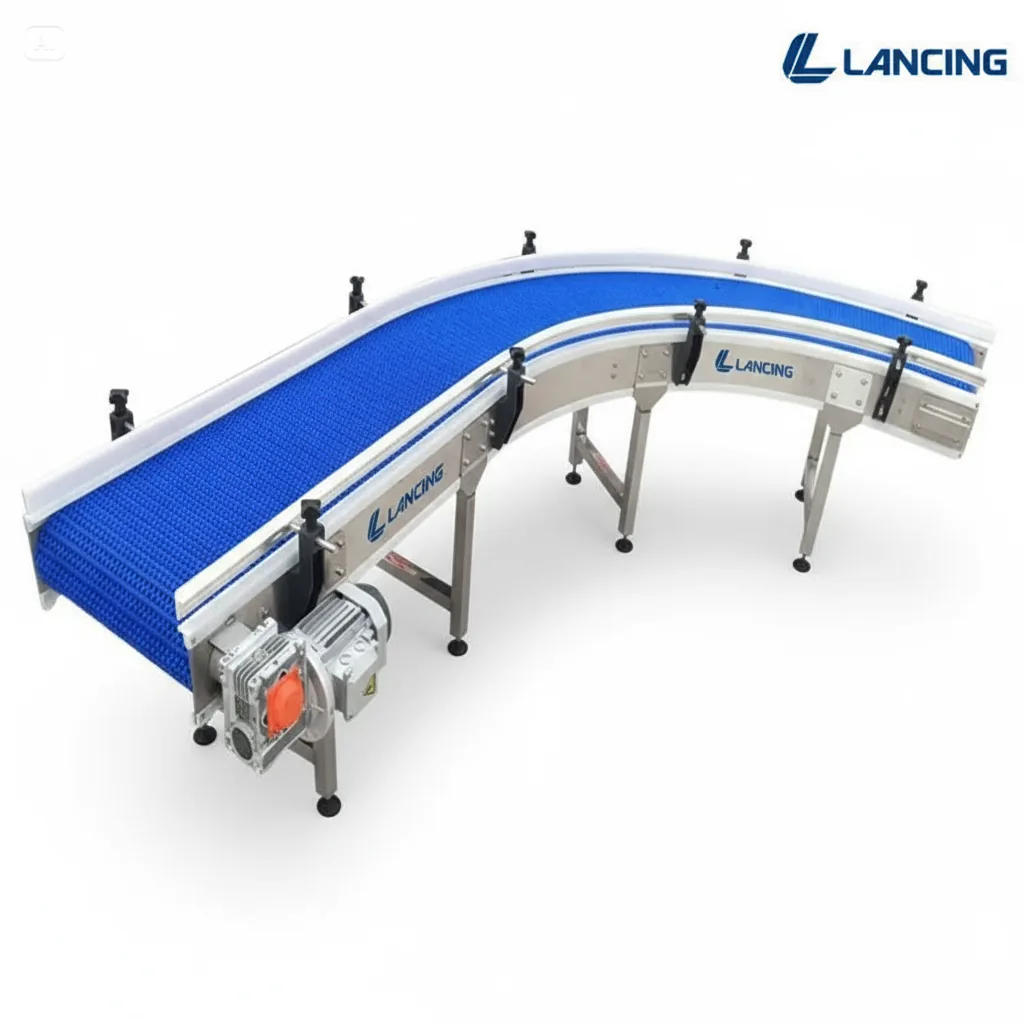
Browse planning guides
Use these guides to compare conveyor types, plan the layout, prepare quote details and avoid common transfer or access issues.
Buying guide
How to choose the right powered conveyor system by product, load, footprint, speed and line requirement.
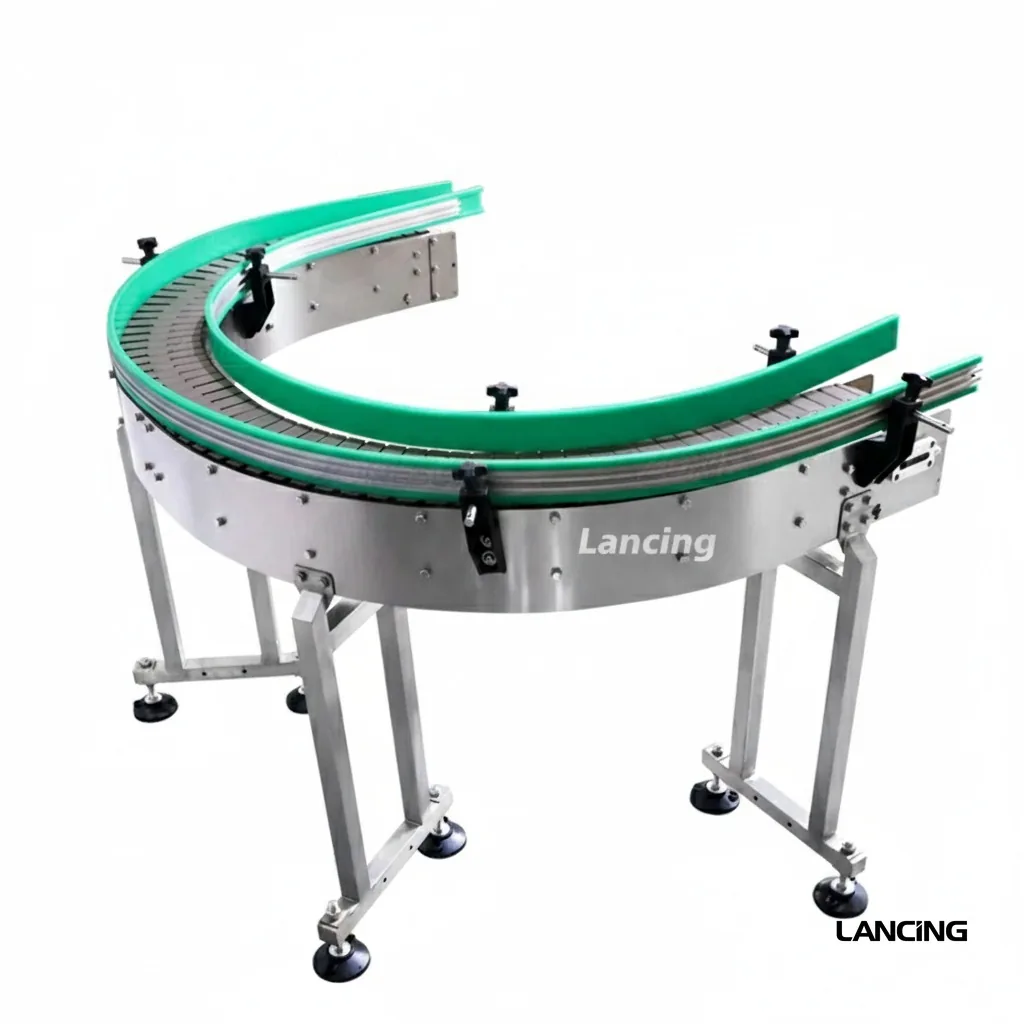
Layout checklist
A checklist covering footprint, access, transfers, bends, elevations, guarding, controls and future growth.
Conveyor comparison
Compare conveyor types by product stability, hygiene, load, speed, curves, transfers and maintenance.
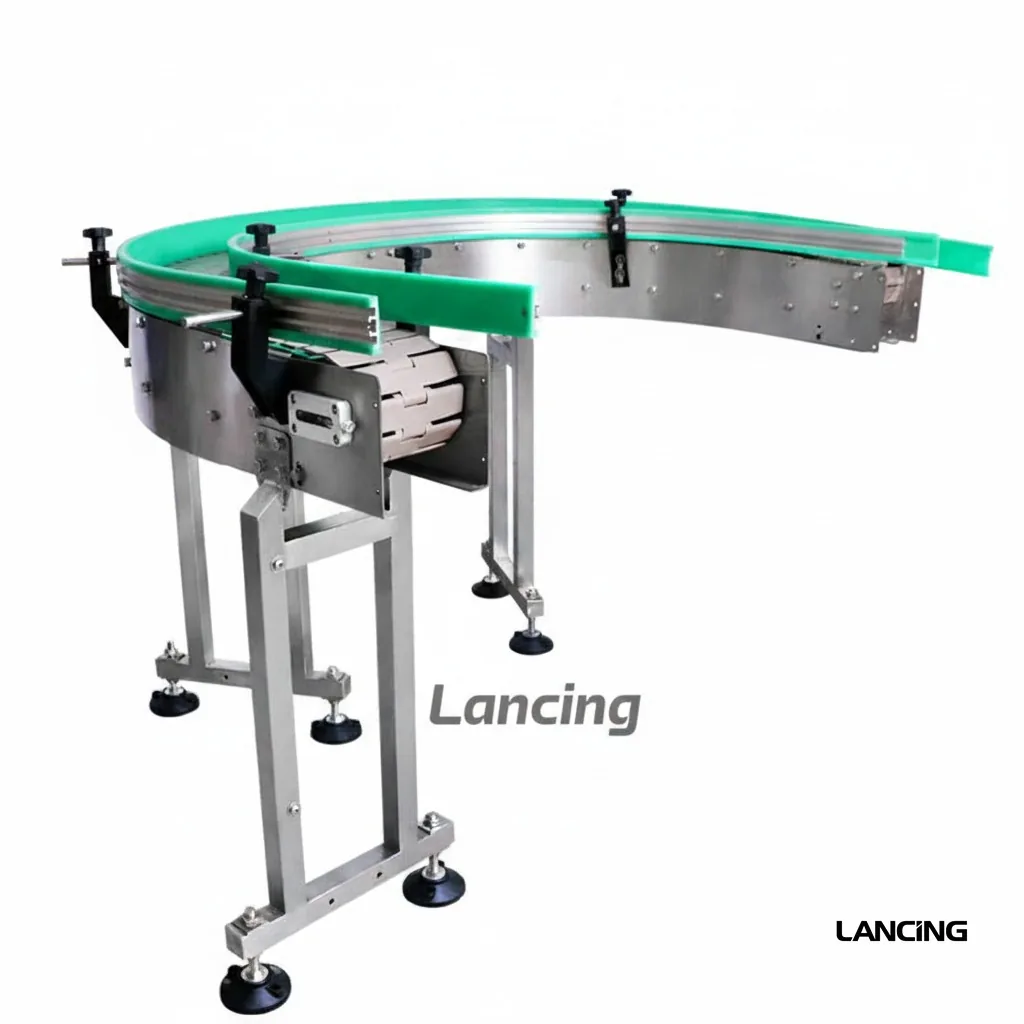
Accumulation guide
When accumulation helps, how buffers are planned and what to check before adding accumulation to a line.
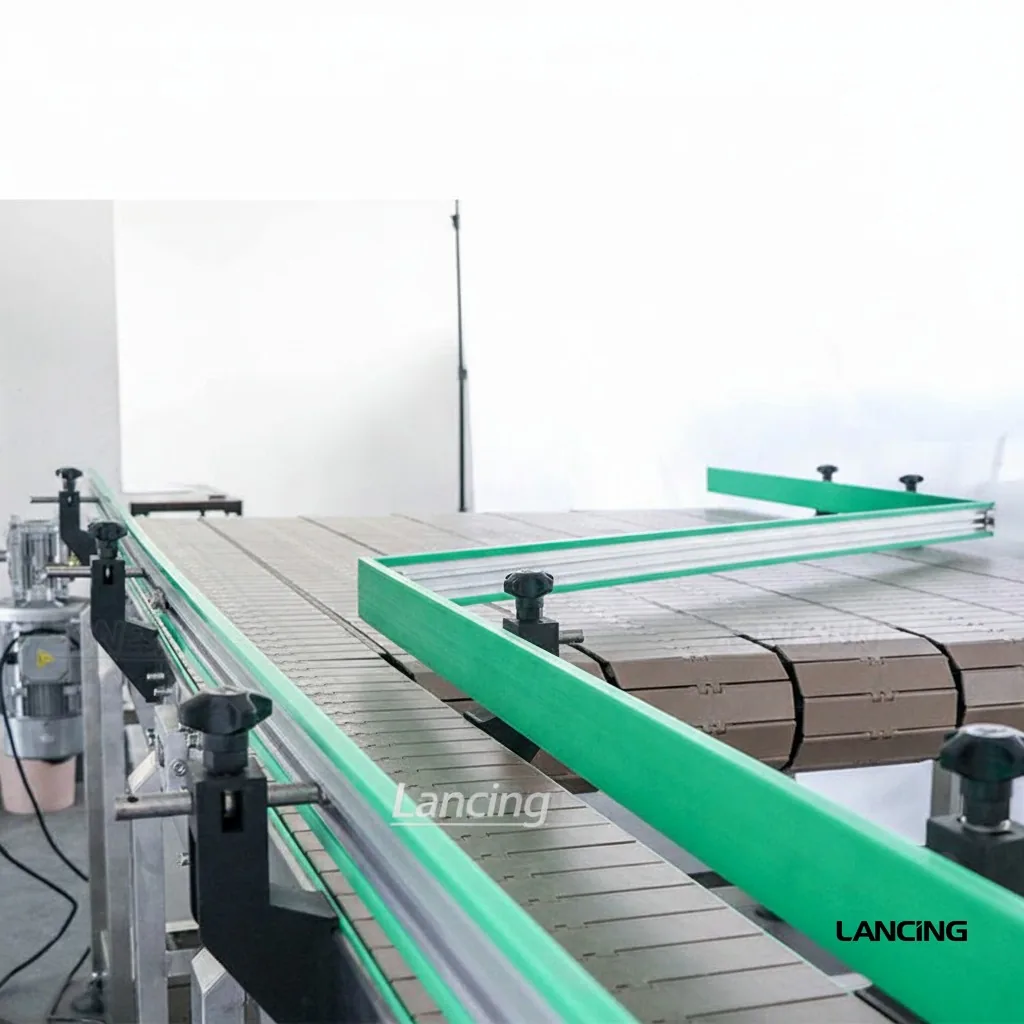
Quote checklist
The details to send with an enquiry so the conveyor shortlist is based on real operating conditions.
FAQs
Start with the product, route or problem you need to solve. The quote checklist then shows which details help us price the conveyor accurately.
Yes. Send product details, available space, speed target and any photos or layout sketches, and we will help narrow the conveyor options.
Different conveyor types solve different handling problems, so it helps to compare the product, route, transfer points, speed and space available.
Engineering library
Start with the buying guide, confirm dimensions and speed, review the layout and transfers, then define controls, safety, cleaning and quotation inputs.
Use transparent equations for product pitch, surface speed, incline geometry, roller pitch, buffer time and drive-force components.
Check plan and elevation layouts, support gaps, guide transitions, sensors, access and component-removal routes.
Record VFD range, machine interlocks, guarding boundaries, isolation and washdown conditions.
The initial enquiry does not need a finished engineering drawing, but it should separate confirmed data from assumptions. Record the load range, route, target flow, operating environment and interfaces. Unknown values can then be measured or tested rather than guessed.
Project review
Lancing can use the product, route and operating information to define the next engineering checks and quotation scope.
Engineering resource library
These resources extend the existing selection and layout guidance into the project information needed by engineers, operations teams, buyers and integrators. Downloads are blank working templates and do not contain invented machine ratings.
Control product, route, environment, interfaces and acceptance inputs.
Open guide →Compare positive drive, slope, operator input and flow control.
Open comparison →Understand force, speed, incline, starts and component duty.
Open drive guide →Plan zones, I/O, machine handshakes, faults and recovery.
Open controls guide →Record route, access, floor, interfaces, utilities and constraints.
Open checklist →Define test methods, expected results, evidence and close-out.
Open acceptance guide →Separate product, mechanical, sensor, control and drive causes.
Open diagnostic guide →Build a critical-spares register from installed evidence and lead time.
Open spares guide →Question-led conveyor resources
The question library connects product selection, multi-format handling, control states, testing, interfaces and changeover to the detailed engineering guides already on the site.
Review product range, physical samples and the evidence required before a conveyor is approved.
Check conveyor suitability →Understand continuous and zoned conveying, downstream stops and accumulation behaviour.
Compare control approaches →Define handovers, responsibilities, signal schedules and repeatable format adjustments.
Browse all conveyor questions →First-party conveyor footage
The video guide separates what can be observed in a short conveyor clip from the product, speed, transfer and stop/restart evidence still needed before approval.
Review product support, side-guide contact, spacing and the limits of visual evidence.
Watch and review the footage →Connect video observations to measured gaps, heights, guide transitions and acceptance checks.
Open transfer guidance →Choose samples that cover the least favourable size, mass, base and stability conditions.
Open sample guidance →Advanced diagnostics and control
These resources extend the existing planning workflow into belt tracking, controlled roller zones, safeguarding and complete-line output.
Diagnose drift through fixed observation points, loaded testing and one controlled change at a time.
Open the belt tracking guide →Define product support, zones, sensors, release logic and zero-pressure accumulation.
Review motorised roller zones →Map tasks, dangerous parts, access, emergency stops, isolation and interface responsibility.
Prepare the safeguarding review →Measure product pitch, starved and blocked time, buffer use and recovery before increasing speed.
Review conveyor throughput →