
What conveyor type is best for this product?
The right type depends on product size, weight, stability, base shape, route and speed. Product photos and dimensions help narrow the options.
Product handling pages
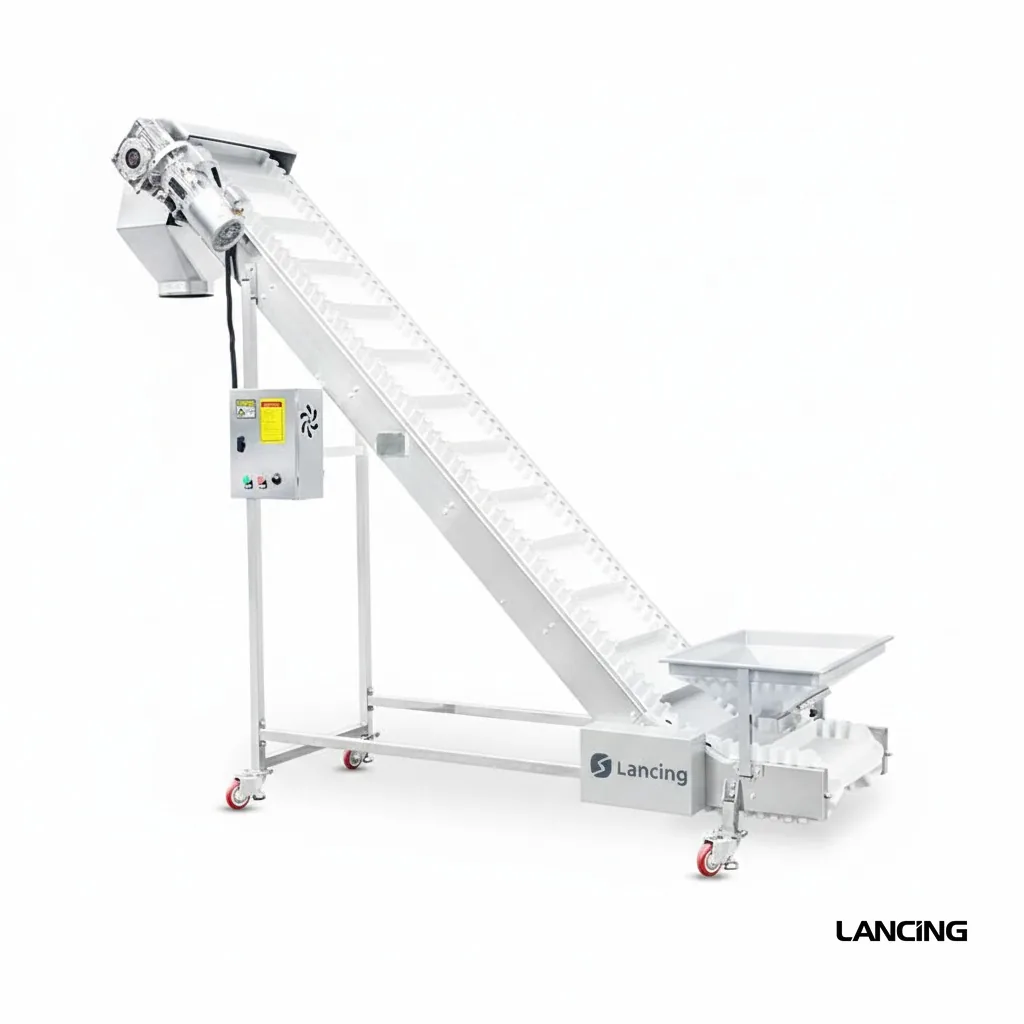
Small parts need a conveyor surface and transfer method that prevents parts falling, bouncing, catching or misaligning.
Planning support
A small product may need a narrow belt, close transfer, side containment or a low-profile conveyor to fit into an operator station.
The minimum product size is often more important than the maximum size because it drives belt width, transfer gaps and guide requirements.
This page helps customers prepare small product details before asking for a conveyor quote.
Conveyor options
Buyer search terms
Common questions
The right type depends on product size, weight, stability, base shape, route and speed. Product photos and dimensions help narrow the options.
Send dimensions, weight, line speed, start and end points, machine details and photos of the production area.
Yes. Machine heights, infeed and discharge positions, speed and access requirements should be checked before quoting.
Related conveyor information
Related
Continue planning the conveyor type, layout and quote details for this project.
View details →Related
Continue planning the conveyor type, layout and quote details for this project.
View details →Related
Continue planning the conveyor type, layout and quote details for this project.
View details →Related
Continue planning the conveyor type, layout and quote details for this project.
View details →Related
Continue planning the conveyor type, layout and quote details for this project.
View details →Related
Continue planning the conveyor type, layout and quote details for this project.
View details →Need a conveyor quote?
Send the basic product, route and output details and we will help identify the right conveyor options.
Describe whether the conveyor only transports parts or must preserve orientation and separation. Show the smallest feature that could catch at a guide or transfer and identify surfaces that must remain unmarked. The receiving process may need a more controlled handover than simple bulk movement.
Use representative production parts to assess entry, discharge and any intermediate inspection. Include the way an operator or feeder introduces them, since that presentation affects what the conveyor must control. Record any lost, overturned or misaligned parts separately from those delivered acceptably.
No. Transfer support, containment, surface contact and the required presentation at the next station must also fit the part.